Florida SB 1128 Dies: After-Hours Time-Sharing Bill Fails
Florida SB 1128, which would have required after-hours judges and 5-day time-sharing enforcement hearings, died in committee March 13, 2026. What it means.
The Quick Answer
Florida Senate Bill 1128 did not become law. Despite a proposed July 1, 2026 effective date, the bill died in the Senate Appropriations Committee on Criminal and Civil Justice on March 13, 2026. It would have required after-hours judges and time-sharing enforcement hearings within 5 business days. Current enforcement law under F.S. 61.13 is unchanged.
What Actually Happened
Widely circulated headlines suggested that a major change to Florida time-sharing enforcement was about to take effect on July 1, 2026. That is not accurate. Senate Bill 1128, filed January 5, 2026 by Senator Erin Grall (with companion House Bill 971 by Representative Dana Trabulsy), never cleared the Legislature.
The official Florida Senate record shows the bill's final action: died in the Appropriations Committee on Criminal and Civil Justice on March 13, 2026. The July 1, 2026 date that appeared in the bill text was only the proposed effective date had the bill passed. Because SB 1128 stalled in committee and never reached a floor vote, there is no new statute, no after-hours judge requirement, and no five-day hearing mandate.
If you have seen articles claiming this law is now in effect, they are wrong. Florida time-sharing enforcement continues to operate under existing law.
What SB 1128 Would Have Done
The bill aimed to speed up enforcement of parenting plans and time-sharing orders. Its central proposals included:
- Requiring each judicial circuit to have a circuit judge available after hours, on weekends, and on holidays to address urgent time-sharing enforcement.
- Requiring courts to schedule hearings on motions to enforce time-sharing within 5 business days after the motion is filed.
- Giving certain time-sharing matters priority on the court's calendar.
- Setting procedural requirements for evidentiary hearings on motions to establish temporary parental responsibility and time-sharing.
- Directing the Office of the State Courts Administrator to publish an annual public report on these hearings by circuit.
The goal was understandable. Parents who are wrongfully denied time with their children often wait weeks or months for a hearing. The bill tried to create an emergency lane. It simply did not survive the committee process this session.
Legal Implications for Florida Parents
The practical takeaway is that nothing changed. Florida parents seeking to enforce a parenting plan still rely on the tools that existed before SB 1128 was filed.
Under F.S. 61.13, Florida courts retain broad authority over parenting plans and time-sharing, and a parent who is denied court-ordered time-sharing can file a motion to enforce. Under F.S. 61.13(4), when a parent refuses to honor the other parent's time-sharing without proper cause, the court has several remedies, including awarding extra or makeup time-sharing, ordering the offending parent to pay reasonable costs and attorney fees, ordering attendance in a parenting course, and other appropriate sanctions.
Florida courts also have their civil contempt power to enforce time-sharing orders. A motion for contempt and enforcement asks the court to compel compliance and may carry penalties for a parent who willfully violates a clear order. These remedies are real, but they move on the regular family-law calendar, not the expedited five-day track SB 1128 envisioned.
For genuine emergencies involving a child's safety, Florida already provides separate mechanisms, including emergency motions and, where appropriate, domestic violence injunctions under F.S. 61.535 and Chapter 741. These are distinct from routine time-sharing disputes and should not be confused with the failed enforcement bill.
Florida-Specific Analysis
It is worth placing SB 1128 in context. Florida overhauled its alimony and time-sharing framework with SB 1416 in 2023, which created a rebuttable presumption that equal, or 50/50, time-sharing is in the best interests of the child under F.S. 61.13. That reform shifted the starting point for many parenting cases.
SB 1128 was a logical next step in that conversation: once the law presumes equal time-sharing, parents naturally want faster enforcement when that time is denied. But enforcement reform carries a price tag, because after-hours judges and compressed hearing deadlines require court staffing and budget. The bill's death in the Appropriations Committee, a budget-focused committee, reflects that tension. Strong policy ideas often stall over funding rather than merits.
For the firm's clients, the SB 1128 saga is a reminder that legislative headlines are not law until a bill is actually passed and signed. Many proposed family-law bills are filed each session; only a fraction become statute.
This distinction matters most for uncontested divorces. When two spouses agree on a parenting plan up front and build a clear, detailed time-sharing schedule into their final judgment, they rarely need emergency enforcement at all. A well-drafted parenting plan that spells out the schedule, holidays, exchanges, and communication rules is the best protection against future disputes, regardless of whether the Legislature ever creates a five-day hearing track.
Practical Takeaways
What Florida residents should know right now:
- SB 1128 is not law. There is no new after-hours judge requirement and no mandatory five-day enforcement hearing as of July 1, 2026.
- Enforcement still works the existing way. If your co-parent denies court-ordered time-sharing, you can file a motion to enforce under F.S. 61.13(4) and seek makeup time, fees, and other sanctions.
- True emergencies have separate paths. Safety issues are handled through emergency motions and injunctions, not the routine enforcement calendar.
- Prevention beats litigation. A precise parenting plan in your divorce judgment is the single best way to avoid enforcement fights later.
- Watch the 2027 session. A bill like this can be refiled. Until it actually passes both chambers and is signed by the Governor, it is a proposal, not a rule.
If you and your spouse agree on the major issues, an uncontested divorce lets you set those terms yourselves rather than leaving them to a contested hearing. Our firm handles Florida uncontested divorces, including cases with minor children, for a flat fee of $750, with the parenting plan, child support guidelines worksheet, and UCCJEA affidavit prepared as part of the package. You can read more in our guide to an uncontested divorce with children in Florida or compare paths in uncontested vs contested divorce in Florida.
To see how a clear agreement moves through the courts, our uncontested divorce final hearing in Florida guide walks through the last step, and do you need a lawyer for an uncontested divorce in Florida explains where attorney help adds value.
Legal Disclaimer
This article is provided by Antonio G. Jimenez, Esq., Florida Bar No. 21022, for general informational purposes only and does not constitute legal advice. Reading this article does not create an attorney-client relationship. Legislation changes frequently, and the status of any bill should be confirmed against the official record at flsenate.gov. For advice about your specific situation, consult a licensed Florida attorney.
Related Topics
Ready to Get Started?
If you and your spouse agree, here's how we can help:
Uncontested Divorce
$750Full representation to judgment — with or without minor children
Attorney-prepared and reviewed before filing. Court filing fee and remote notary not included.
Not sure if you qualify?
Victoria can talk through your situation and let you know if an uncontested divorce is a fit.
About the Author
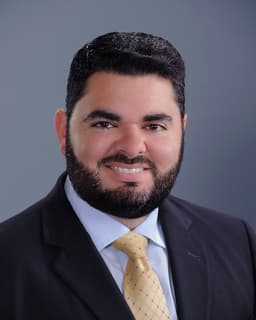
Antonio G. Jimenez, Esq.
Florida attorney since 2006 · Florida Bar #21022 · LL.M. Trial Advocacy
Antonio is the founder of FloridaDivorce.law and creator of Victoria AI, our AI legal intake specialist. A U.S. Navy veteran and former felony prosecutor, he has handled thousands of family law cases across Florida. He built this firm to deliver efficient, transparent legal services using technology he developed himself.
Have questions? Ask Victoria AIFrequently Asked Questions
Did Florida SB 1128 take effect on July 1, 2026?
No. SB 1128 died in the Senate Appropriations Committee on Criminal and Civil Justice on March 13, 2026, and never became law. July 1, 2026 was only the proposed effective date in the bill text. Because the bill did not pass, no after-hours judge requirement or five-day hearing mandate took effect.
What would SB 1128 have changed about time-sharing enforcement?
The bill would have required each Florida circuit to keep a judge available after hours, on weekends, and on holidays for time-sharing enforcement, and would have required courts to hold enforcement hearings within 5 business days of a motion being filed. It also called for priority calendaring and an annual public report by circuit. None of these requirements exist, because the bill failed.
How do I enforce time-sharing in Florida now that SB 1128 failed?
Enforcement still works under existing law. Under F.S. 61.13(4), if a parent denies court-ordered time-sharing without proper cause, you can file a motion to enforce and ask the court for makeup time-sharing, attorney fees and costs, a parenting course, or other sanctions. Florida courts can also use their civil contempt power. These remedies move on the regular family-law calendar.
Is there any way to get an emergency time-sharing hearing in Florida?
For genuine emergencies involving a child's safety, Florida provides emergency motions and, where appropriate, domestic violence injunctions under F.S. 61.535 and Chapter 741. These are separate from routine time-sharing enforcement and are not affected by SB 1128's failure. If a child is in danger, call 911 or the domestic violence hotline at 1-800-799-7233.
Could a bill like SB 1128 come back in a future session?
Yes. A bill that dies in committee can be refiled in a later legislative session. Until a bill passes both the Florida House and Senate and is signed by the Governor, it is only a proposal, not law. Always confirm a bill's status on the official record at flsenate.gov before relying on it.
Still Have Questions?
Every situation is different. Chat with Victoria AI to get personalized guidance based on your specific circumstances.
Ask Victoria AIRelated Articles
More from our News & Commentary series
Eric Dane's Death and Gayheart's Withdrawn Divorce: Florida Law Lessons
Rebecca Gayheart withdrew her divorce from Eric Dane after his ALS diagnosis. Here's what Florida law says about pausing divorce when a spouse becomes ill.
8 min readNews & CommentaryCensus Bureau Study: Divorce Cuts Children's Income by 13%
A Census Bureau study finds parental divorce reduces children's adult income by 9-13%. Here's what this means for Florida custody and parenting plans.
8 min readNews & CommentaryFlorida HB 1391: Judge Report Cards Could Transform Family Court
Florida bills HB 1391 and SB 452 would create public performance ratings for family court judges. Here's what it means for your divorce case.
8 min readNews & CommentaryBianca Censori Reveals Kanye Marriage Struggles: Florida Divorce Lessons
Bianca Censori's Vanity Fair tell-all reveals key divorce issues. A Florida attorney breaks down overlapping relationships, mental health, and controlling spouses.
8 min readNews & CommentaryKalil v. Kalil: Viral Livestream Lawsuit Tests Post-Divorce Speech Limits
Former NFL player Matt Kalil sues ex-wife Haley over viral livestream. What this privacy case means for Florida divorcing spouses sharing on social media.
8 min read