The Situation
A married couple of a little over two years, with no children, agreed to end the marriage after living apart for some time. One spouse lives in Florida and the other lives in another state. They owned no real estate, no vehicles, and had no debts to divide. Each had an individual bank account, and one spouse had a 401(k). The husband hired the firm, and the wife took part by signing the documents the firm prepared. Their questions were practical: whether a spouse who lives out of state could be part of an agreed Florida case, and how the wife could go back to her former name.
What They Agreed On
Neither spouse owed or was owed anything. Each keeps their own accounts, the wife keeps her 401(k) in full without any division order, and each pays their own attorney's fees and costs. Both spouses waived alimony. The settlement agreement also provides for the wife to resume her former name, and the Final Judgment restores it.
How the Case Moved
The firm drafted the full packet from the intake answers: the petition, the answer and waiver, the joint waiver, the settlement agreement, the proposed Final Judgment, a set of financial disclosure questions, and an affidavit from a corroborating witness who confirmed the husband's Florida residency. The signed documents were notarized remotely, with identification and a face check completed for each signer. The case was filed 16 days after the husband hired the firm, under a written venue agreement, since neither spouse lives in the county where it was filed. The firm then submitted the proposed Final Judgment with the settlement agreement as filed. The court entered the Final Judgment 2 days after filing, which is 18 days after hire, and the judgment ratified the settlement agreement and restored the wife's former name.
What Slowed It Down
Very little. The one adjustment came at intake: the husband first gave a Florida residency start date that would have fallen short of the six-month requirement, and then corrected it after being asked to verify. The residency affidavit was prepared on the corrected date. The proposed Final Judgment was also rebuilt once so that it carried the settlement agreement exactly as stamped by the clerk at filing.
What Other Couples Can Take From This
In an agreed case with no children and nothing to divide, the settlement agreement can be short, but it still needs to say that each spouse keeps their own accounts, how retirement accounts are treated, whether alimony is waived, and who pays attorney's fees. A spouse who lives out of state can sign remotely before a notary, and a name restoration can be written into both the agreement and the judgment so the certified copy serves as proof for later name changes.
What Slowed This Case Down
- The husband's Florida residency start date was corrected during intake, and the residency affidavit was prepared on the corrected date.
- The proposed Final Judgment was rebuilt once to carry the settlement agreement as stamped by the clerk at filing.
Frequently Asked Questions
Can a spouse who lives outside Florida take part in a Florida uncontested divorce?
Yes, when the case is agreed. In this case one spouse lived in another state and signed the answer, waiver, and settlement agreement remotely before a notary, with identification verified. The court's residency requirement is met by one spouse being a Florida resident for six months before filing, which here was supported by a corroborating witness affidavit.
Who can serve as the corroborating witness for Florida residency?
The witness is someone with personal knowledge that the spouse has lived in Florida for the required period and who signs a sworn affidavit saying so. In this case the witness was a relative who lived at the same address, and the firm prepared the affidavit and had it notarized with the other documents.
Can a wife's former name be restored in the Final Judgment?
Yes. A settlement agreement can provide for a spouse to resume a former name, and the Final Judgment can then restore it. A certified copy of the entered judgment is what the Department of Motor Vehicles and other agencies generally ask for when the name is updated.
What does a settlement agreement say when there is no property or debt to divide?
It still states the main points in writing: that each spouse keeps their own accounts, how any retirement account is treated, that alimony is waived by both spouses if that is the agreement, and that each pays their own attorney's fees. Putting those points in the agreement makes them part of the court order once the judgment incorporates it.
About the Author
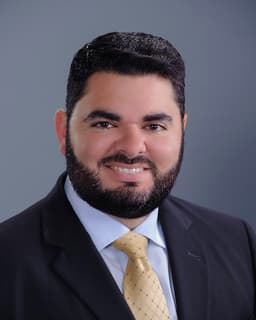
Antonio G. Jimenez, Esq.
Florida attorney since 2006 · Florida Bar #21022 · LL.M. Trial Advocacy
Antonio is the founder of FloridaDivorce.law and creator of Victoria AI, our AI legal intake specialist. A U.S. Navy veteran and former felony prosecutor, he has handled thousands of family law cases across Florida. He built this firm to deliver efficient, transparent legal services using technology he developed himself.
Have questions? Ask Victoria AIReady to move forward?
If you and your spouse agree, our $750 flat-fee uncontested divorce is attorney-prepared and attorney-reviewed before filing.