Florida SB 1128 Time-Sharing Hearing Bill Died (2026)
Florida SB 1128 proposed fast-tracked time-sharing hearings and after-hours judges, but died in committee March 2026. What it meant for Florida parents.
Did Florida SB 1128 pass?
No. Florida Senate Bill 1128, which proposed fast-tracked time-sharing enforcement hearings, after-hours duty judges, and mandatory parenting-plan orders, died in the Appropriations Committee on Criminal and Civil Justice on March 13, 2026. Its identical House companion, HB 971, died the same day. No part of the bill became law, and Florida's existing time-sharing procedures under Chapter 61 remain unchanged.
The News Hook
Headlines circulated in 2026 suggesting Florida would impose a "30-day rule" to fast-track parenting-plan hearings. The reality is more modest, and the outcome is clear: the bill is dead for the 2026 session.
Senator Erin Grall (R-Fort Pierce), herself a practicing attorney, filed SB 1128 on January 5, 2026. Representative Dana Trabulsy carried the identical companion bill, HB 971. The proposal cleared the Senate Judiciary Committee on February 10, 2026 by an 11-0 vote, signaling early bipartisan interest. But momentum stalled. On March 13, 2026, both bills died in their respective appropriations committees without reaching a floor vote.
The practical takeaway for Florida parents is simple. Nothing about how you enforce a time-sharing order or obtain a parenting plan changed as a result of SB 1128. The rules on the books before the 2026 session are the rules today.
What SB 1128 Actually Proposed
The "30-day" framing was never accurate. The bill's core deadline was much tighter and narrower than a month.
SB 1128 targeted the enforcement of existing time-sharing orders, not the initial creation of parenting plans in a divorce. Its main provisions were:
- A requirement that courts schedule a hearing on a motion to enforce an existing time-sharing order within five business days after the motion was filed.
- Authority for a duty judge to hear those motions when the assigned judge was unavailable, including on weekends, holidays, or after hours, expanding a model already used in domestic-violence cases.
- Calendar-priority status for specific time-sharing matters, including initial parental-responsibility hearings and enforcement-compliance hearings.
- A shift in paternity cases requiring courts to issue parenting plans and time-sharing schedules upon request, while removing certain automatic default time-sharing provisions.
- Annual reporting by the Office of the State Courts Administrator on these hearings, broken down by judicial circuit.
In short, the bill was about speed and judicial availability in enforcement disputes, particularly the frustrating scenario where one parent withholds a child in violation of an order and the other parent cannot get in front of a judge quickly.
Legal Implications for Florida Time-Sharing Cases
Because SB 1128 died, the governing law remains Florida Statutes Chapter 61. Under F.S. §61.13, courts determine time-sharing and parenting plans according to the best interests of the child, and enforcement runs through the standard motion-and-hearing process rather than any five-business-day fast track.
Had it passed, SB 1128 would have created a two-tier reality that family lawyers watch closely:
- Enforcement of a time-sharing order would have carried a hard five-day hearing deadline.
- Establishing a parenting plan in the first place, whether in a divorce or paternity case, would have continued to move on the ordinary docket.
That distinction matters. Many parents assume a fast-track law would speed up their entire case. It would not have. The proposed deadline applied to enforcing an order that already existed, not to obtaining one. For an uncontested divorce, where both spouses agree on the parenting plan up front, none of this changes the timeline in any event.
It is also worth separating this bill from the broader wave of 2023 Florida family-law reform. The 2023 legislation known as SB 1416 overhauled alimony, ending permanent alimony and reshaping durational and bridge-the-gap awards. SB 1128 was unrelated to alimony. It sat squarely in the time-sharing and procedural-access lane, which is why its death does not affect any support or property calculation in your case.
Florida-Specific Analysis
Florida already uses a duty-judge system for genuine emergencies, most visibly in domestic-violence injunctions, where after-hours access to a judge is standard. SB 1128 essentially asked the Legislature to extend that emergency-access mindset to time-sharing enforcement.
The committees that let the bill die were the appropriations committees, which is telling. After-hours judicial coverage costs money: judges, clerks, bailiffs, and security all have to be paid and scheduled. A bill can be popular on the merits, as the 11-0 Judiciary vote suggests, and still stall once the fiscal question arrives. That fiscal friction is the most likely reason SB 1128 never advanced, and it signals that any future version will need a funding plan attached.
For now, Florida parents facing time-sharing violations still rely on the tools in F.S. §61.13. When a parent violates a time-sharing schedule without proper cause, a court may order make-up time-sharing, modify the plan, require the offending parent to pay attorney fees and court costs, order community service, or find the parent in contempt. Those remedies remain fully available. What SB 1128 would have added was speed, not new penalties.
Practical Takeaways for Florida Residents
- SB 1128 is dead for 2026. Do not rely on any "fast-track" or "after-hours judge" rule when planning a time-sharing enforcement action. Those provisions never took effect.
- The correct deadline figure was five business days, not 30 days, and it applied only to enforcing existing orders.
- Enforcement remedies still exist. F.S. §61.13 already lets Florida courts order make-up time, contempt, fees, and modification when a parent violates a time-sharing order.
- If you are getting divorced and you agree on parenting, an uncontested divorce sidesteps this entire debate. When both parents sign a parenting plan up front, there is nothing to enforce and no docket to fast-track.
- Watch the 2027 session. Sponsors who lose on cost often refile. A funded version could return, and the 11-0 committee vote suggests the underlying idea has support.
If you and your spouse agree on the terms of your split, a flat-fee uncontested divorce is the fastest, most predictable path in Florida. Our firm handles Florida uncontested divorces for a $750 flat attorney fee, whether or not you have minor children. You can ask Victoria a question about your situation or read our guide on how to convert a contested divorce to uncontested if you are close to agreement.
For city-specific guidance, see our guides on uncontested divorce with children in Jacksonville and uncontested divorce in Tampa.
Frequently Asked Questions
Did Florida pass a 30-day rule for parenting-plan hearings in 2026?
No. There was never a 30-day rule. SB 1128 proposed a five-business-day deadline for hearings to enforce existing time-sharing orders, and that bill died in committee on March 13, 2026. It did not become law.
What does SB 1128 change about my Florida divorce?
Nothing. Because the bill died, Florida's time-sharing and parenting-plan procedures under F.S. §61.13 are exactly as they were before the 2026 session. Your divorce follows the same rules and timelines.
Can I still enforce a time-sharing order quickly in Florida?
Yes. Even without SB 1128, F.S. §61.13 lets a Florida court order make-up time-sharing, hold a violating parent in contempt, award attorney fees, and modify the plan. You file a motion to enforce and the court schedules a hearing on the ordinary docket.
Was SB 1128 related to the 2023 alimony reform?
No. The 2023 reform (SB 1416) ended permanent alimony and reshaped spousal support. SB 1128 dealt only with time-sharing enforcement procedures and judicial availability. The two are unrelated, so SB 1128's death has no effect on alimony.
Could a similar time-sharing bill come back?
Probably. SB 1128 cleared the Senate Judiciary Committee 11-0 before dying in an appropriations committee, which usually signals a cost problem rather than opposition to the idea. Sponsors often refile a funded version in a later session, so watch the 2027 Florida legislative session.
Legal Disclaimer
This article is provided by Antonio G. Jimenez, Esq. (Florida Bar No. 21022) for general informational purposes only and does not constitute legal advice, nor does it create an attorney-client relationship. Legislative status can change, and every family situation is different. For advice about your specific time-sharing or divorce matter, consult a licensed Florida attorney.
Related Topics
Ready to Get Started?
If you and your spouse agree, here's how we can help:
Uncontested Divorce
$750Full representation to judgment — with or without minor children
Attorney-prepared and reviewed before filing. Court filing fee and remote notary not included.
Not sure if you qualify?
Victoria can talk through your situation and let you know if an uncontested divorce is a fit.
About the Author
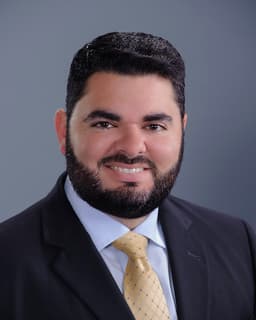
Antonio G. Jimenez, Esq.
Florida attorney since 2006 · Florida Bar #21022 · LL.M. Trial Advocacy
Antonio is the founder of FloridaDivorce.law and creator of Victoria AI, our AI legal intake specialist. A U.S. Navy veteran and former felony prosecutor, he has handled thousands of family law cases across Florida. He built this firm to deliver efficient, transparent legal services using technology he developed himself.
Have questions? Ask Victoria AIFrequently Asked Questions
Did Florida pass a 30-day rule for parenting-plan hearings in 2026?
No. There was never a 30-day rule. SB 1128 proposed a five-business-day deadline for hearings to enforce existing time-sharing orders, and that bill died in committee on March 13, 2026. It did not become law.
What does SB 1128 change about my Florida divorce?
Nothing. Because the bill died, Florida's time-sharing and parenting-plan procedures under F.S. §61.13 are exactly as they were before the 2026 session. Your divorce follows the same rules and timelines.
Can I still enforce a time-sharing order quickly in Florida?
Yes. Even without SB 1128, F.S. §61.13 lets a Florida court order make-up time-sharing, hold a violating parent in contempt, award attorney fees, and modify the plan. You file a motion to enforce and the court schedules a hearing on the ordinary docket.
Was SB 1128 related to the 2023 alimony reform?
No. The 2023 reform (SB 1416) ended permanent alimony and reshaped spousal support. SB 1128 dealt only with time-sharing enforcement procedures and judicial availability. The two are unrelated, so SB 1128's death has no effect on alimony.
Could a similar time-sharing bill come back?
Probably. SB 1128 cleared the Senate Judiciary Committee 11-0 before dying in an appropriations committee, which usually signals a cost problem rather than opposition to the idea. Sponsors often refile a funded version in a later session, so watch the 2027 Florida legislative session.
Still Have Questions?
Every situation is different. Chat with Victoria AI to get personalized guidance based on your specific circumstances.
Ask Victoria AIRelated Articles
More from our News & Commentary series
Eric Dane's Death and Gayheart's Withdrawn Divorce: Florida Law Lessons
Rebecca Gayheart withdrew her divorce from Eric Dane after his ALS diagnosis. Here's what Florida law says about pausing divorce when a spouse becomes ill.
8 min readNews & CommentaryCensus Bureau Study: Divorce Cuts Children's Income by 13%
A Census Bureau study finds parental divorce reduces children's adult income by 9-13%. Here's what this means for Florida custody and parenting plans.
8 min readNews & CommentaryFlorida HB 1391: Judge Report Cards Could Transform Family Court
Florida bills HB 1391 and SB 452 would create public performance ratings for family court judges. Here's what it means for your divorce case.
8 min readNews & CommentaryBianca Censori Reveals Kanye Marriage Struggles: Florida Divorce Lessons
Bianca Censori's Vanity Fair tell-all reveals key divorce issues. A Florida attorney breaks down overlapping relationships, mental health, and controlling spouses.
8 min readNews & CommentaryKalil v. Kalil: Viral Livestream Lawsuit Tests Post-Divorce Speech Limits
Former NFL player Matt Kalil sues ex-wife Haley over viral livestream. What this privacy case means for Florida divorcing spouses sharing on social media.
8 min read